Imagine two restrooms for public use. One is near a busy playground for the community and sports complex. The other is in a remote trailhead and is surrounded by a vast open area.
Both provide the exact service, but designing them as identical buildings could overlook the differences in how these sites operate.
Good public restroom buildings begin with the site. Who will use the facility? How many people may arrive at once? What utilities are available? How far will visitors have to walk? What architecture surrounds the building?
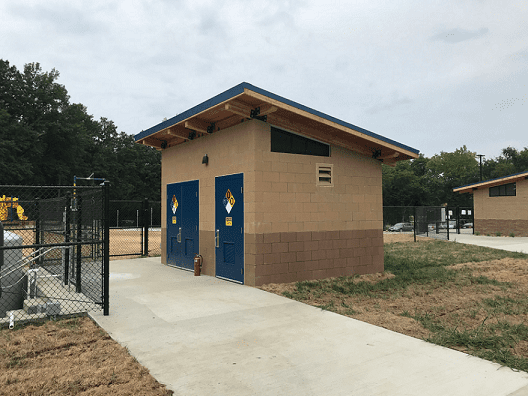
Image credit: romtec.com
These answers will affect the majority of decisions that follow.
Begin by looking at how people move through the site.
The location of restrooms should not be viewed as a separate thing from the rest a park. Visitors may arrive in large numbers to a sports complex to watch events or games. A playground restroom needs to be conveniently located for families, while also fitting within the pedestrian flow. In a downtown area restrooms on sidewalks could need to operate within a restricted footprint, and also complement the streetscape features.
The building is just one aspect of the experience. Location is influenced by surrounding area accessibility, access, and other activities.
Remote sites can cause a different Problem
The project should now be moved away from established roads and utility infrastructure. The conventional sewer service may not be available at a scenic view point or in remote recreation areas trails, campgrounds, trailheads or any other area. Vault toilets are an option which can be utilized in locations where traditional plumbing infrastructure is either difficult or impossible.
This shifts the way we talk about design. The project teams do not need to pick a location prior to analysing the site and deciding which bathroom system works best.
Capacity Should Be Reflective of Actual Use
The types of people who visit the quiet neighborhood park as well as regional sports facilities differ. The demand at peak times is important. Peak demand is important.
Before construction, owners should think about the use of restrooms, including their capacity, layout, fixtures and requirements for maintenance.
Flexible prefabricated restrooms can be an invaluable source for those studying the possibility of using them. They are able to be designed to suit specific requirements of the project, rather than forcing the site to be a model.
Even though Architecture is still an element of the conversation
The function doesn’t mean that appearance must be overlooked. The restroom is an important part of the public landscape. Roof forms, siding, colors fixtures, masonry and other architectural elements can aid in connecting it to nearby pavilions or concession buildings or the natural surroundings an established design theme or a community.
Romtec’s customized approach permits teams to employ different colors, materials and shapes as well as exterior treatments, rather than being limited to the standard appearance.
Designing for the place, not just the Theming
Romtec cooperates with park managers and contractors to supply and install bathrooms and other public facilities. The company’s experience includes building documentation, code requirements, ADA considerations, engineering choice of components, as well as construction across the United States.
It’s surprising how simple the initial point of departure remains. Do not start with asking about the restrooms you can build on your site. Learn about the surroundings, people, and activities that are already in place. Develop the building suitable for this location.